


Western Ghats · July 2024 · By SUYANA
Why Agumbe Is India's Cherrapunji — And Why You Should Visit in the Rain
Most people run from the rain. In Agumbe, we run towards it. This small village in the Shimoga district of Karnataka receives the highest rainfall in peninsular India — up to 7,500mm annually — earning it the title of South India's Cherrapunji. And while that statistic impresses on paper, nothing prepares you for what it actually looks and feels like to stand inside a living rainforest when the monsoon arrives.
The Western Ghats are one of the world's eight biodiversity hotspots. Agumbe sits at their heart. This is King Cobra country — the world's longest venomous snake calls these forests home, and the Agumbe Rainforest Research Station has been studying them here for decades. The forest you walk through is not a managed nature reserve. It is a real, dense, layered rainforest with a canopy so thick that midday looks like dusk.
What Monsoon Agumbe Actually Looks Like
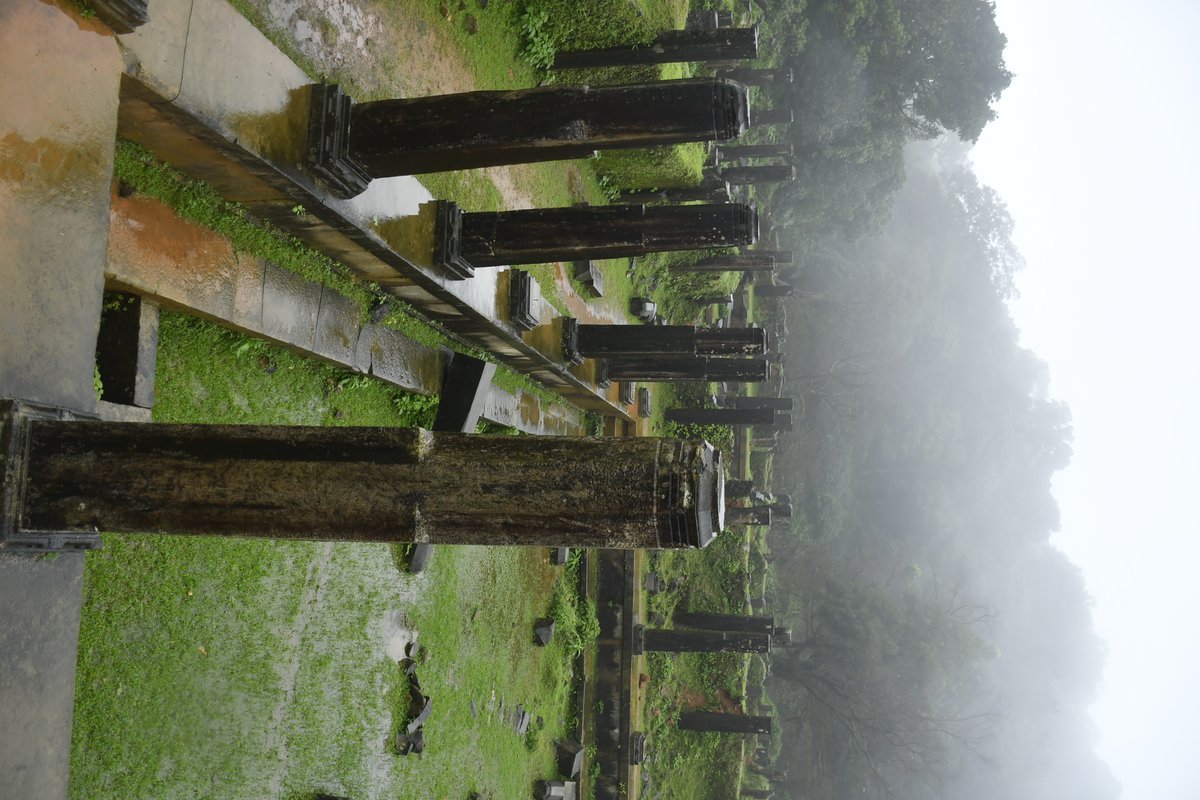
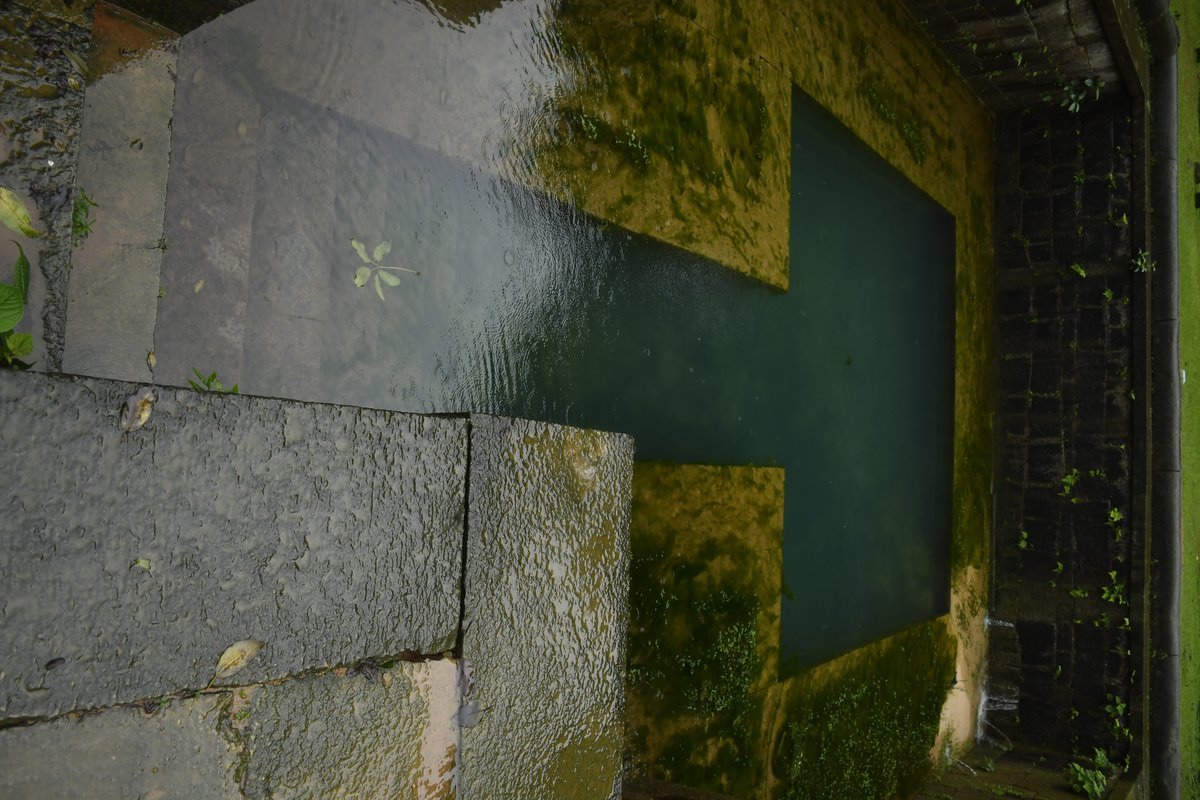
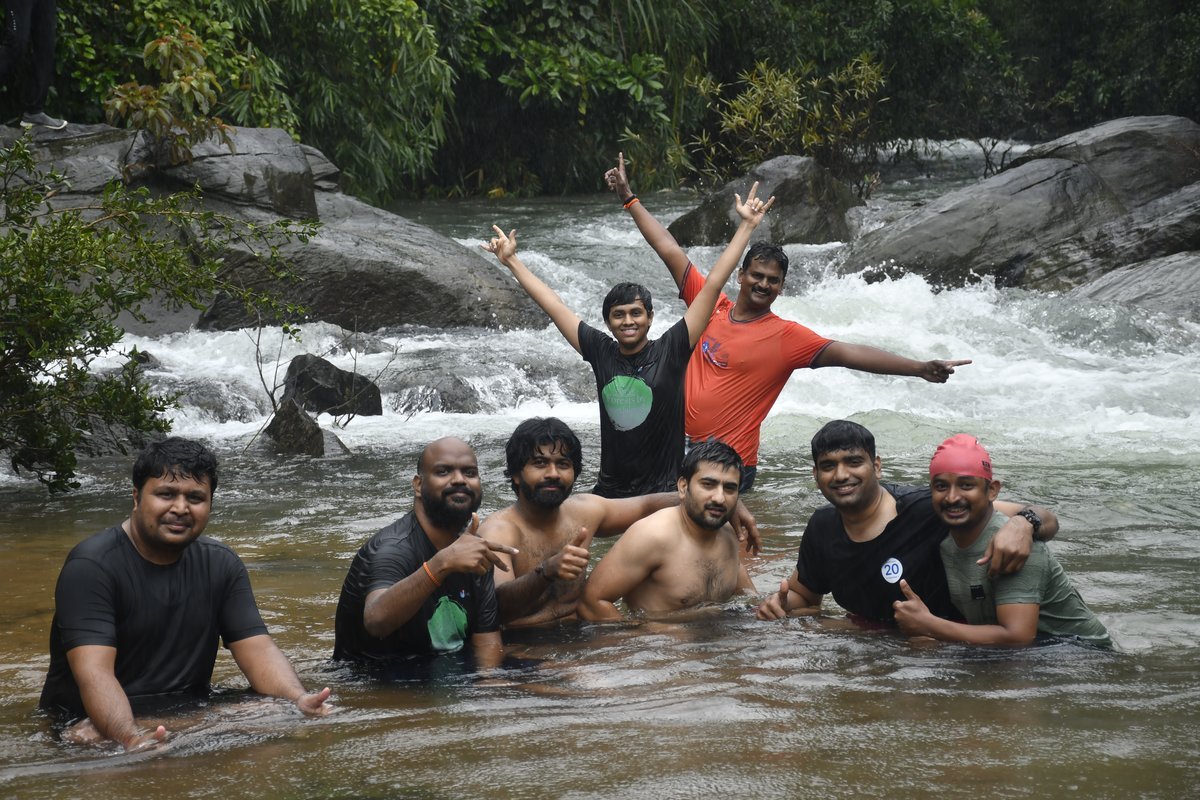
Arrive in July and you will understand why writers describe Agumbe as one of the most beautiful places in India. Every surface — rocks, roots, walls, rooftops — wears a coat of luminous green moss. Waterfalls appear overnight where there were only dry gullies the week before. The air smells of wet earth, wild ginger, and something older that you can't quite name. The forest sounds different too: amplified, alive, dripping.
The trek on SUYANA's Agumbe Monsoon experience takes you through rainforest trails, past hidden streams, and to Sunset Point — a rocky outcrop with unobstructed views across the Ghats. In the monsoon, "sunset point" rarely delivers a visible sunset. What it delivers instead is something more interesting: a wall of moving mist arriving from the Arabian Sea, rolling over the ridgeline like slow motion water. You feel the pressure change before you see it. Then the mist swallows everything and you are suddenly standing inside a cloud.
The Homestay: Where Agumbe Really Happens
The trip is not just about the forest. Agumbe's Malenadu culture — the culture of the mountain people — is as rich as its ecology. You stay with a family. You eat what they eat: rice cooked in clay pots, dal with kokum, jackfruit preparations, and the freshest sambar you will ever have. In the evening, around a wood fire that no amount of rain seems to extinguish, the conversation moves between Kannada, English, and gesture. These are the moments that stay with you long after you have forgotten the Instagram photographs.
Practical Notes
- Best season: July to September for peak monsoon. Mid-June is also beautiful as the rains arrive.
- What to bring: Waterproof shoes with grip, quick-dry clothes, a light rain jacket. Leave the umbrella behind — it's useless in a forest.
- Getting there: Agumbe is approximately 6-7 hours from Bangalore by overnight bus. SUYANA handles all transport as part of the trip.
- Fitness level: Moderate. The main trek involves around 3-4 hours of walking on uneven forest terrain. Good footwear matters more than fitness.
Agumbe in the monsoon is not comfortable travel. The leeches are real. The paths are slippery. Your clothes will be wet. And none of that will matter once you are standing in it, because everything else — the smell, the sound, the green, the weight of water in the air — is so far beyond what a city can offer that discomfort becomes irrelevant.
Experience Agumbe in the Monsoon with SUYANA
Small groups, overnight transport from Bangalore, homestay stay, and guided rainforest treks — all included.
View the Agumbe Monsoon Trip Curated Journeys